


Vaccinations and Preventive Care: Protecting Pets From Common Diseases
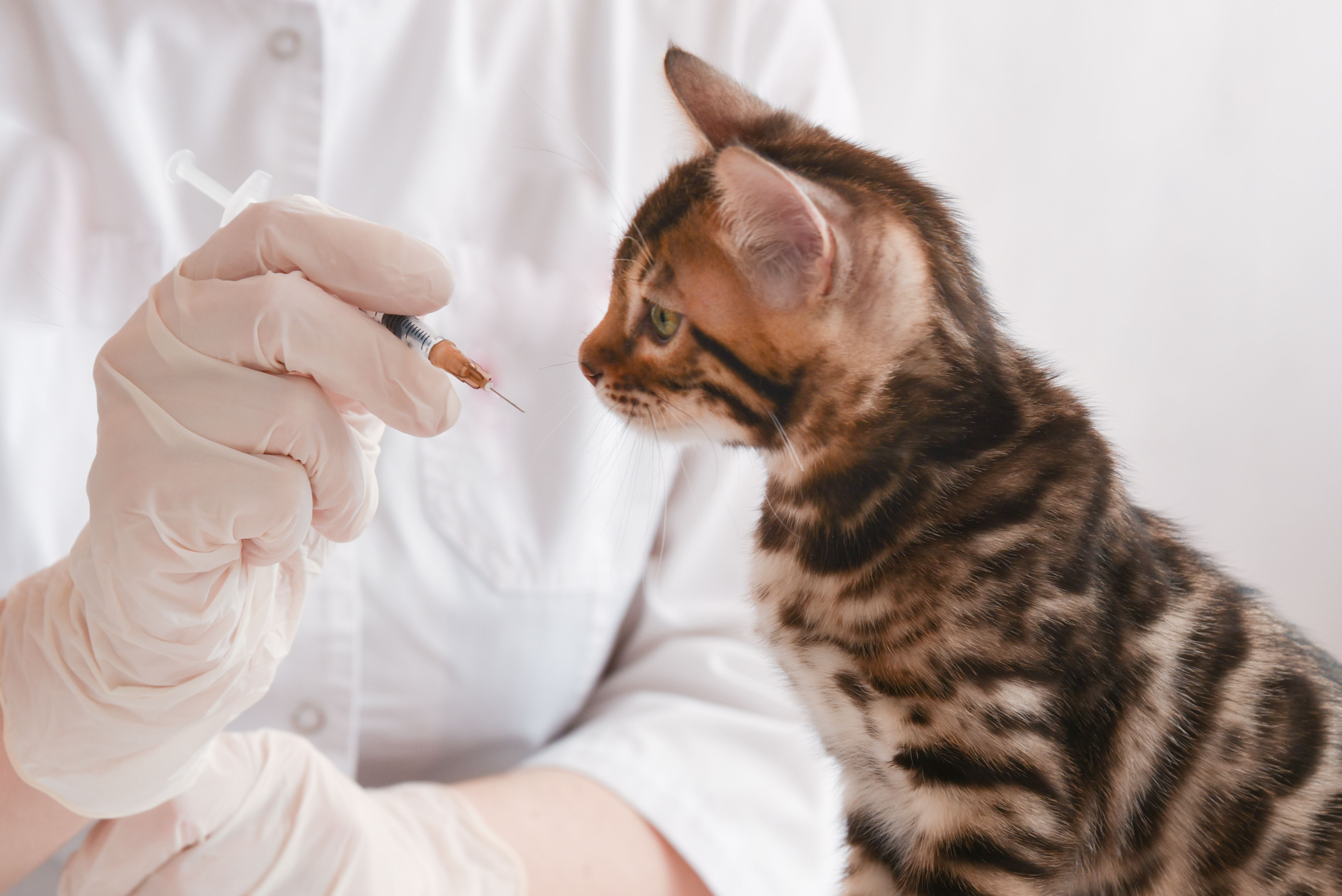
Keeping pets healthy isn’t just about treating illness when it appears - it’s about preventing problems before they start. Vaccinations and routine preventive care are some of the most effective tools veterinarians have to protect dogs and cats from serious, and often life-threatening, diseases.
How Vaccinations Safeguard Pets From Serious Illness
Vaccines work by preparing your pet’s immune system to recognize and fight specific diseases. Many of the illnesses vaccines protect against - such as rabies, distemper, parvovirus, and feline panleukopenia - can spread quickly and cause severe complications or death. Vaccinating your pet significantly reduces their risk of infection and helps prevent the spread of disease within the community.
Puppies and kittens are especially vulnerable because their immune systems are still developing. Early vaccination schedules help provide protection during this critical stage of life. Adult pets also need regular booster vaccines to maintain immunity over time, as protection can fade.
Core vs. Lifestyle-Based Vaccines
Not every pet needs the same vaccines. Core vaccines are recommended for most pets because they protect against widespread, high-risk diseases. Non-core or lifestyle-based vaccines may be recommended depending on your pet’s age, environment, travel habits, boarding needs, or exposure to other animals. Your veterinarian will help tailor a vaccination plan that fits your pet’s individual lifestyle and risk factors.
Preventive Care Beyond Vaccines
While vaccinations are essential, they are only one part of a complete preventive care plan. Routine wellness exams allow veterinarians to detect subtle changes in your pet’s health before they become serious problems. These visits often include weight checks, dental evaluations, parasite screenings, and discussions about behavior or nutrition.
Parasite prevention is another key component of preventive care. Fleas, ticks, heartworms, and intestinal parasites can cause significant discomfort and long-term health issues if left untreated. Consistent preventive medications help protect your pet year-round, even when parasites aren’t immediately visible.
The Power of Early Detection
Many medical conditions, including kidney disease, diabetes, and arthritis, develop gradually. Preventive care visits give your veterinarian the opportunity to identify early warning signs and recommend testing or treatment before symptoms worsen. Early detection often leads to more treatment options, lower costs, and better outcomes for pets.
Building a Lifelong Health Plan
Preventive care isn’t one-size-fits-all, and it evolves as your pet ages. Puppies and kittens need frequent visits and vaccinations, adult pets benefit from annual wellness exams, and senior pets often require more frequent monitoring. Working closely with your veterinarian ensures your pet’s care plan adapts to their changing needs throughout every life stage.
Partner With Us for Preventive Pet Care
Vaccinations and preventive care are among the most powerful ways to protect pets from common diseases and unexpected health challenges. By staying proactive with routine care, pet owners can help ensure their companions live longer, healthier, and more comfortable lives. Preventive medicine not only safeguards your pet’s well-being but also provides peace of mind for the entire family.
If you have questions about vaccinations or want to make sure your pet’s preventive care plan is up to date, contact Springwood Veterinary Hospital at our office in Spring, Texas, by calling (281) 370-3262 today.


Hours
Monday 8:00 am - 8:00 pm
Tuesday 8:00 am - 8:00 pm
Wednesday 8:00 am - 8:00 pm
Thursday 8:00 am - 8:00 pm
Friday 8:00 am - 8:00 pm
Saturday 8:00 am - 8:00 pm
Sunday Closed
*Closed for lunch daily 1pm - 2pm
Monday 8:00 am - 8:00 pm
Tuesday 8:00 am - 8:00 pm
Wednesday 8:00 am - 8:00 pm
Thursday 8:00 am - 8:00 pm
Friday 8:00 am - 8:00 pm
Saturday 8:00 am - 8:00 pm
Sunday Closed
*Closed for lunch daily 1pm - 2pm
Holiday Hours
January 1st: CLOSED
July 4th: CLOSED
Thanksgiving Day: CLOSED
December 24th: CLOSED
December 25th: CLOSED
January 1st: CLOSED
July 4th: CLOSED
Thanksgiving Day: CLOSED
December 24th: CLOSED
December 25th: CLOSED
Powered by: 